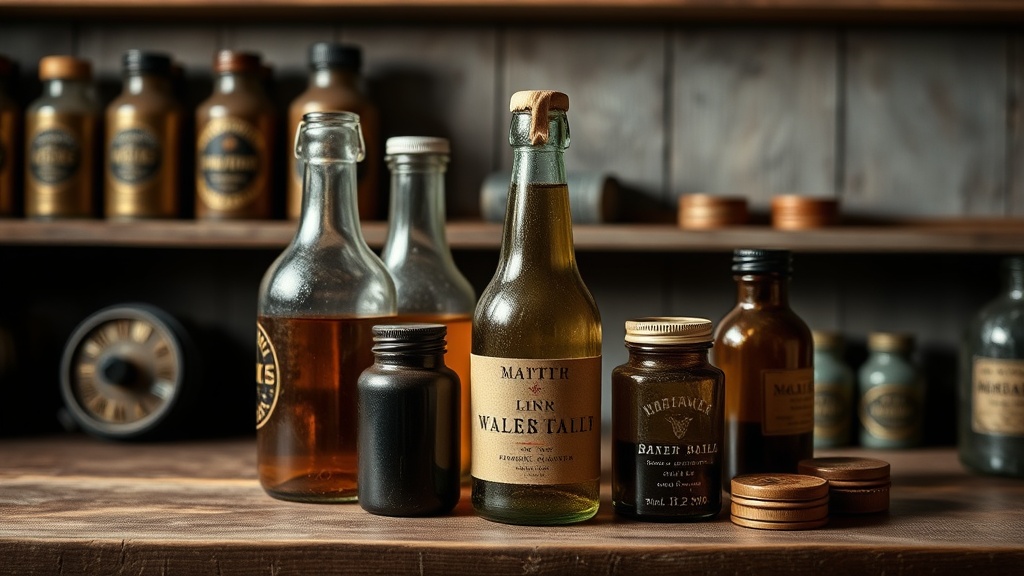
How to Store Vintage Military Bottles and Caps Without Damage

Quick Tip
Always store metal caps and glass bottles in a cool, dry place away from direct sunlight to prevent corrosion and fading.
This post covers practical storage methods for vintage military bottles and caps — from glass canteens and mess-hall bottles to metal crown caps and liner lids — so collections stay intact without fading, rust, or cracks. Whether inventory spans a single shelf or a full closet, the right materials and environment make all the difference. Poor storage doesn't just dull finishes; it can destroy paper labels, corrode metal liners, and turn rare finds into unsellable damage.
What's the best way to store vintage military bottles?
Keep bottles upright in acid-free, buffered containers away from direct sunlight and temperature swings. Light and heat accelerate glass sickness and label deterioration, so a dark interior closet beats a garage every time. For long-term protection, Gaylord Archival drop-front boxes or clear polyethylene totes (like the Sterilite 66-Qt model) work well — they block dust without trapping moisture. That said, never seal bottles in airtight plastic bags; residual humidity can encourage mold on corks and paper labels. If a bottle still has liquid residue, rinse and dry it thoroughly before boxing it up.
Do bottle caps need special storage conditions?
Yes — bottle caps should stay dry, sorted, and stored in inert plastic or cardboard flips that won't off-gas. Polyvinyl chloride (PVC) sleeves spell trouble for metal liners because the chloride breaks down and corrodes surfaces over time. Instead, use BCW Supplies polyethylene 2x2 flips or Guardhouse archival cardboard holders. Here's the thing: caps with cork or paper liners are even more vulnerable, so separating them by material type prevents cross-contamination if one piece starts to degrade. Here's a quick look at common material choices:
| Material | Best For | Drawback |
|---|---|---|
| PVC flips | Short-term display | Can corrode metal liners over time |
| Polyethylene sleeves | Long-term cap storage | Slightly bulkier in binders |
| Acid-free cardboard | Caps with paper inserts | Less visible for quick browsing |
How do you prevent mold and rust on metal cap liners?
Control relative humidity between 45% and 55% and add desiccants inside storage drawers or boxes. A cheap digital hygrometer (the ThermoPro TP50, for example) lets you spot spikes before they cause damage. For an extra layer of protection, toss in Dry & Dry food-grade silica gel canisters — they're reusable and safe around vintage materials. The catch? Basements and attics rarely hold steady humidity, so a closet inside the main living area is usually the safer bet. Worth noting: National Park Service conservation guidelines recommend inspecting stored items every six months for early signs of corrosion or mildew. Catching a single rust spot early can save an entire run of caps.
Storing vintage military bottles and caps isn't complicated — it just takes consistent conditions and the right supplies. Start with a stable climate, swap out any PVC products, and check the collection a few times a year. Small habits today keep history intact for tomorrow.