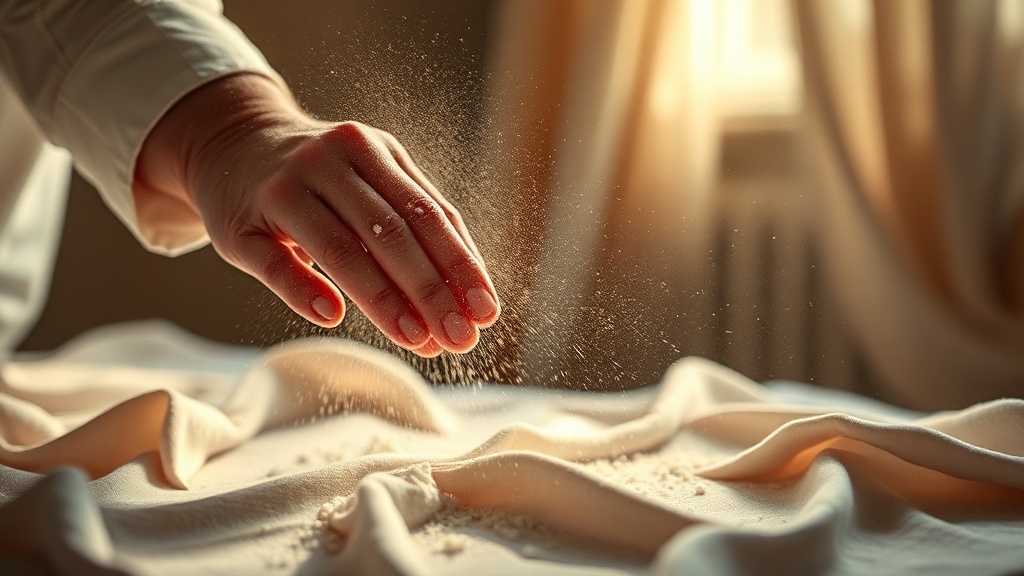
Cleaning Dust from Delicate Fabric Uniform Elements

Quick Tip
Always use a soft-bristled brush and minimal moisture to avoid damaging fragile historical fibers.
In this post, you'll learn how to safely remove dust and debris from delicate fabric elements—like wool tunics, canvas webbing, or vintage caps—without causing permanent damage. When dealing with textile-based military memorabilia, standard cleaning methods often do more harm than good. We're looking at non-invasive ways to maintain the integrity of your collection.
How Do I Remove Dust from Vintage Fabric?
The safest way to remove dust from delicate fabric is through gentle mechanical action rather than moisture. Most collectors should start with a soft-bristled brush or a specialized vacuum attachment. If you're dealing with a high-value item, like a wool service cap or a heavy canvas field jacket, you want to avoid any liquid-based cleaning that could cause shrinkage or color bleeding.
Start with a clean, soft-bristled brush—think a high-quality makeup brush or a dedicated clothing brush. Use light, sweeping motions to lift the dust away from the fibers. If the dust is trapped in deep weaves, a low-suction vacuum with a brush attachment works best. Just be careful; you don't want to pull on loose threads or fraying edges (which happens way too often with older textiles).
Sometimes, a simple shake or a gentle tap against a clean surface is enough. It sounds basic, but it's often the safest move for aged fabric that has become brittle over time.
Recommended Cleaning Tools
- Soft Bristle Brush: Best for surface dust on wool or felt.
- Microfiber Cloth: Good for gentle wiping of smoother fabrics.
- Low-Suction Vacuum: Essential for deep-seated debris in heavy canvas.
- Compressed Air: Use sparingly; it's great for crevices but can be too forceful for delicate weaves.
Can I Use Water to Clean Military Uniforms?
You should avoid using water or any liquid cleaners on vintage textiles unless it is absolutely necessary and you have tested a small, inconspicuous area first. Water can cause wool to shrink, cotton to stiffen, and can even lead to mold if the item doesn't dry perfectly. Many vintage items use dyes that aren't colorfast—meaning one dip in water could ruin the entire look of the piece.
If you're worried about a specific stain, it's better to consult a professional conservator. For more on how to handle various types of delicate items, check out my previous post on displaying vintage military glass to see how environmental factors affect different materials. While glass and fabric are different, the principle of avoiding moisture and temperature swings remains the same.
If you must use a tool, stick to the principles of textile conservation. This means minimizing contact with chemicals and keeping things as dry as possible. A dry approach is almost always better for the longevity of your collection.
| Material Type | Primary Cleaning Method | Risk Level |
|---|---|---|
| Wool (Tunics/Caps) | Soft Brush / Vacuum | High (Shrinkage/Color Bleed) |
| Canvas (Webbing/Pouches) | Dry Brush | Medium (Abrasion) |
| Cotton (Field Shirts) | Light Suction | Low to Medium |
A quick tip: Always work from the top down. If you're cleaning a cap, start at the crown and work your way down to the brim. This prevents dust from falling onto parts you've already cleaned.